



Blog
No Upfront Cost Solar for Businesses: How a PPA Works

Solar PPA Explained
No upfront cost solar for businesses is usually delivered through a Solar PPA, or power purchase agreement. Instead of buying the solar PV system on day one, an eligible business can use electricity generated on site under an agreed commercial arrangement.
This can be useful for Irish businesses that want to reduce electricity costs, use renewable energy and improve long-term energy planning without committing the same upfront capital required for direct system purchase.
What Does No Upfront Cost Solar Mean?
No upfront cost solar does not mean the electricity is free. It means the business may not need to pay the full solar PV system cost at the start of the project. Under a Solar PPA, the system is typically funded, installed and operated under an agreement, while the business pays for the electricity generated.
The exact structure depends on the project, the provider, the site and the contract terms. Businesses should review the electricity rate, contract length, maintenance responsibility and end-of-term options before deciding.
How a Solar PPA Works
A Solar PPA usually starts with a site assessment. The provider reviews roof space, electricity usage, daytime demand, electrical infrastructure and the expected solar generation profile. If the site is suitable, a commercial solar PV system is designed around the business’s energy needs.
Once installed, the business uses the solar electricity generated on site and pays for it under the PPA terms. This allows the business to access renewable electricity without purchasing the full system outright at the beginning.
Why Businesses Consider This Route
Many companies want to reduce electricity costs but also need to protect working capital for stock, staff, equipment, vehicles or expansion. A no upfront cost solar structure can make commercial solar easier to consider because the initial capital requirement is lower.
This route may also suit businesses that prefer a managed solar arrangement, where operation and maintenance are included within the agreement, depending on the contract.
Which Businesses May Be Suitable?
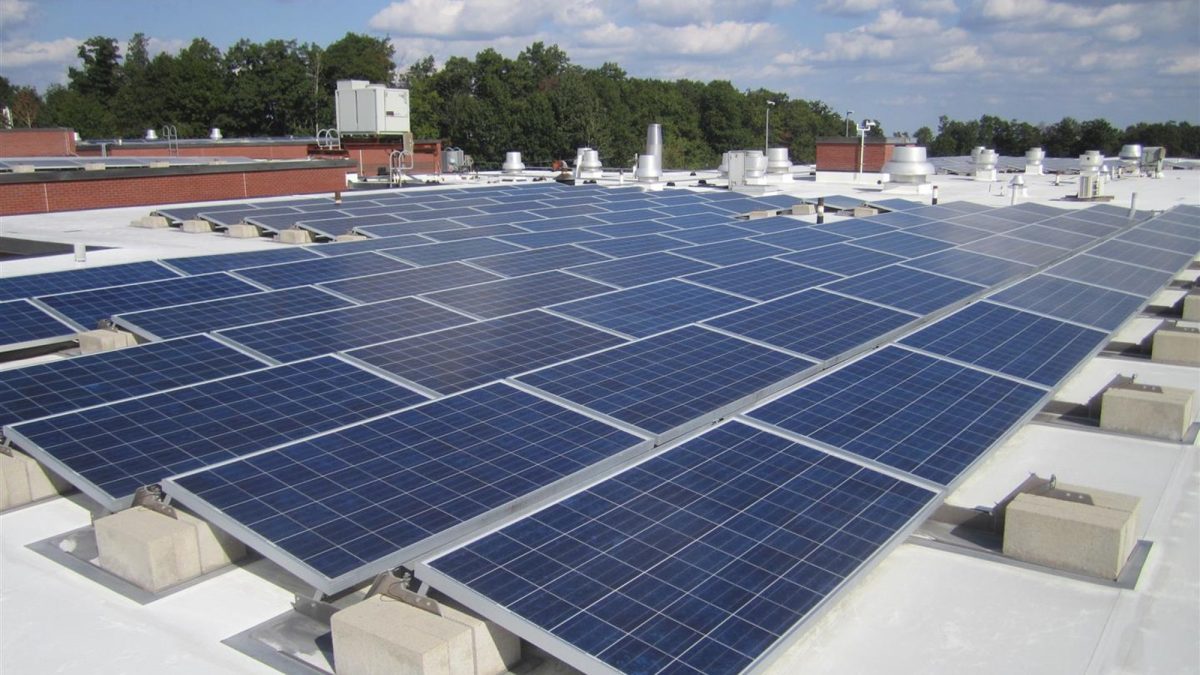
Sites with strong daytime electricity demand are often better candidates for commercial solar. This can include warehouses, factories, offices, schools, hotels, retail buildings, cold storage facilities, logistics sites and commercial properties with large roof or parking areas.
The best candidates usually have suitable roof space, stable electricity usage, clear site access and a long-term need for energy cost control.
What to Check Before Choosing a PPA
- Current electricity usage and daytime demand.
- Roof space, roof condition and structural suitability.
- Proposed PPA electricity rate and contract length.
- Maintenance, monitoring and performance responsibility.
- End-of-contract options and ownership terms.
- Future plans for EV charging, battery storage or site expansion.
No Upfront Cost Solar vs Direct Purchase
Direct purchase gives the business ownership of the solar PV system, but it normally requires a larger upfront investment. A Solar PPA may reduce the initial capital barrier, but the business should understand the contract terms and long-term cost structure.
Neither option is automatically better. The right choice depends on capital budget, ownership preference, electricity usage, site suitability and the company’s long-term plans.
Common Mistakes to Avoid
Businesses should avoid choosing a finance route based only on headline claims. A proper review should compare expected generation, electricity usage, contract rate, maintenance terms, roof suitability and future energy needs.
It is also important to avoid oversizing a system without checking how much solar electricity the business can actually use on site.
Next Step: Check Site Suitability
If your business is considering no upfront cost solar, start with a site-specific assessment. IRPC can review your electricity usage, roof or car park space, operating hours and commercial goals to see whether a Solar PPA is suitable.
Check No Upfront Solar Suitability
No Upfront Cost Solar FAQs
Is no upfront cost solar really free?
No. It usually means the business does not pay the full system cost upfront. Under a Solar PPA, the business pays for the electricity generated under agreed contract terms.
What is the main benefit of a Solar PPA?
The main benefit is lower upfront capital requirement. It can help eligible businesses access commercial solar without buying the full system on day one.
Does the business own the solar panels under a PPA?
Usually, the provider owns and operates the system during the agreement. Ownership and end-of-term options should be checked in the contract.
Which sites are best for no upfront cost solar?
Sites with strong daytime electricity demand, suitable roof or parking space and stable long-term energy use are often better candidates.
Should a business compare PPA with direct purchase?
Yes. A business should compare upfront cost, ownership, contract terms, maintenance responsibility, expected savings and long-term value before deciding.