



Blog
How Businesses Can Reduce Energy Bills With Solar PV and Battery Storage

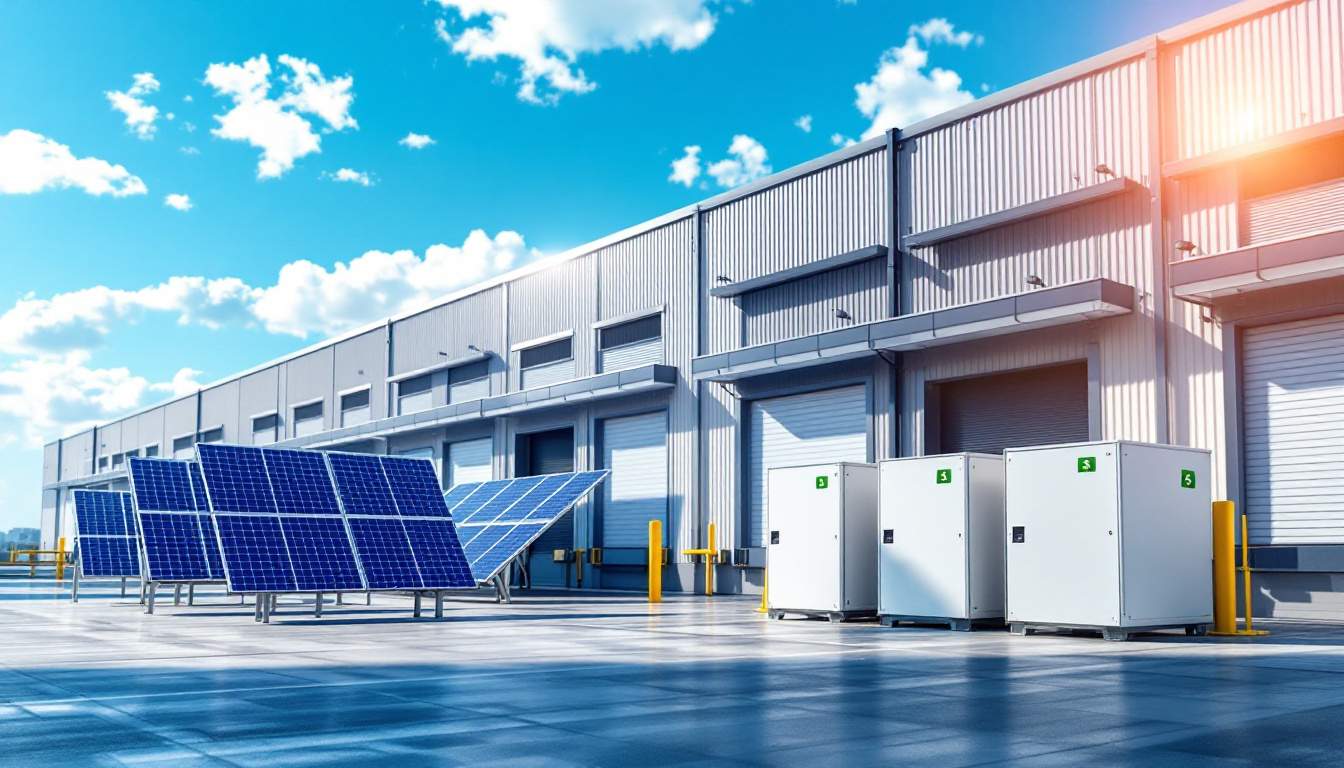
Businesses can reduce energy bills by using more clean electricity on site and buying less power from the grid. For many Irish companies, commercial solar PV is the starting point. Battery storage can then improve control by storing surplus solar electricity, supporting peak-demand management and helping the site use energy more strategically.
Why Energy Bill Reduction Needs a Site-Specific Plan
Every business uses electricity differently. A warehouse, farm, hotel, school, office building and manufacturing site may all have very different load profiles. This means the strongest energy-saving plan should begin with real electricity data, not a standard package.
IRPC should review bills, operating hours, roof or car park space, electrical capacity and future demand before recommending solar PV, battery storage, EV charging or a phased approach.
Use Solar PV to Reduce Grid Electricity Purchases
Commercial solar PV generates electricity on site during daylight hours. When the business uses that electricity directly, it can reduce the amount of electricity purchased from the grid. This is often where the main saving is created.
Sites with steady daytime demand are usually easier to design for because solar generation and business usage are more closely aligned.
Improve Self-Consumption With Better Design
Self-consumption means using solar electricity on site instead of exporting it. A solar design should consider roof area, system size, inverter capacity, shading, working hours and future equipment needs. The goal is not simply to install the largest system possible; the goal is to install a system that supports the business case.
Add Battery Storage for Greater Energy Control
Battery storage can store surplus solar electricity and release it later when the site needs more power. This can be useful for businesses with late afternoon, evening or variable demand. It may also help reduce pressure during high-load periods when multiple systems are operating at once.
Battery sizing should be based on usage data, tariff structure and operational goals. A battery that is too small may not deliver enough value, while a battery that is too large may increase cost without improving the return.
Reduce Peak Demand Where Possible
Some commercial sites face higher costs when electricity demand spikes. Battery storage and load management can sometimes help smooth demand by discharging power during busy periods. This can be relevant for manufacturing equipment, refrigeration, EV charging, HVAC or other high-load operations.
Plan Solar, Battery Storage and EV Charging Together
EV chargers can increase business electricity demand. If a site plans to install chargers for staff, customers or fleet vehicles, the solar and battery strategy should consider that future load. Solar PV, battery storage and EV charging can often work better when they are planned together rather than treated as separate projects.
Eligible businesses may also compare direct purchase with a Solar PPA where lower upfront capital is an important factor.
Monitor Performance After Installation
Energy savings should be tracked after the system is installed. Monitoring can show how much solar electricity is generated, used on site, exported or stored. It can also reveal underperformance, communication faults or changes in electricity demand.
Good monitoring makes it easier to report savings to management and decide whether further upgrades are needed.
Checklist Before Starting
- Review at least 12 months of electricity bills where possible.
- Check roof space, roof condition, shading and access.
- Review daytime demand and future demand from EV charging or expansion.
- Compare solar PV only with solar PV plus battery storage.
- Check whether direct purchase or a PPA-style route is more suitable.
Next Step: Build an Energy Savings Plan
If your business wants to reduce energy bills with solar PV and battery storage, start with a site-specific assessment. IRPC can review your electricity use, site layout and funding options to recommend a practical next step.