



Blog
Solar PV for Farms in Ireland: Reducing Energy Costs on Large Roofs

Agricultural Solar PV Guide
Solar PV for farms in Ireland can help agricultural businesses use large roof areas more productively and reduce dependence on grid electricity. Farm buildings, sheds, barns, cold storage areas and processing facilities often have roof space that may be suitable for commercial solar, especially where electricity demand is consistent during daylight hours.
For many farms, solar PV is not only about sustainability. It is also about improving long-term energy control, reducing operating costs and making better use of existing buildings. The right solar design should be based on real electricity usage, available roof space, site conditions and future farm energy needs.
Why Farms Are Considering Solar PV
Electricity is an important operating cost for many farms, particularly where refrigeration, pumps, ventilation, lighting, dairy equipment, workshops or processing equipment are used. Solar PV can generate electricity on site during the day and help reduce the amount of power purchased from the grid.
Agricultural sites often have strong potential because many farm buildings have large roof areas. When solar generation matches farm electricity demand, the business may be able to use a high percentage of the power generated directly on site.
Large Roofs Can Create Strong Solar Potential
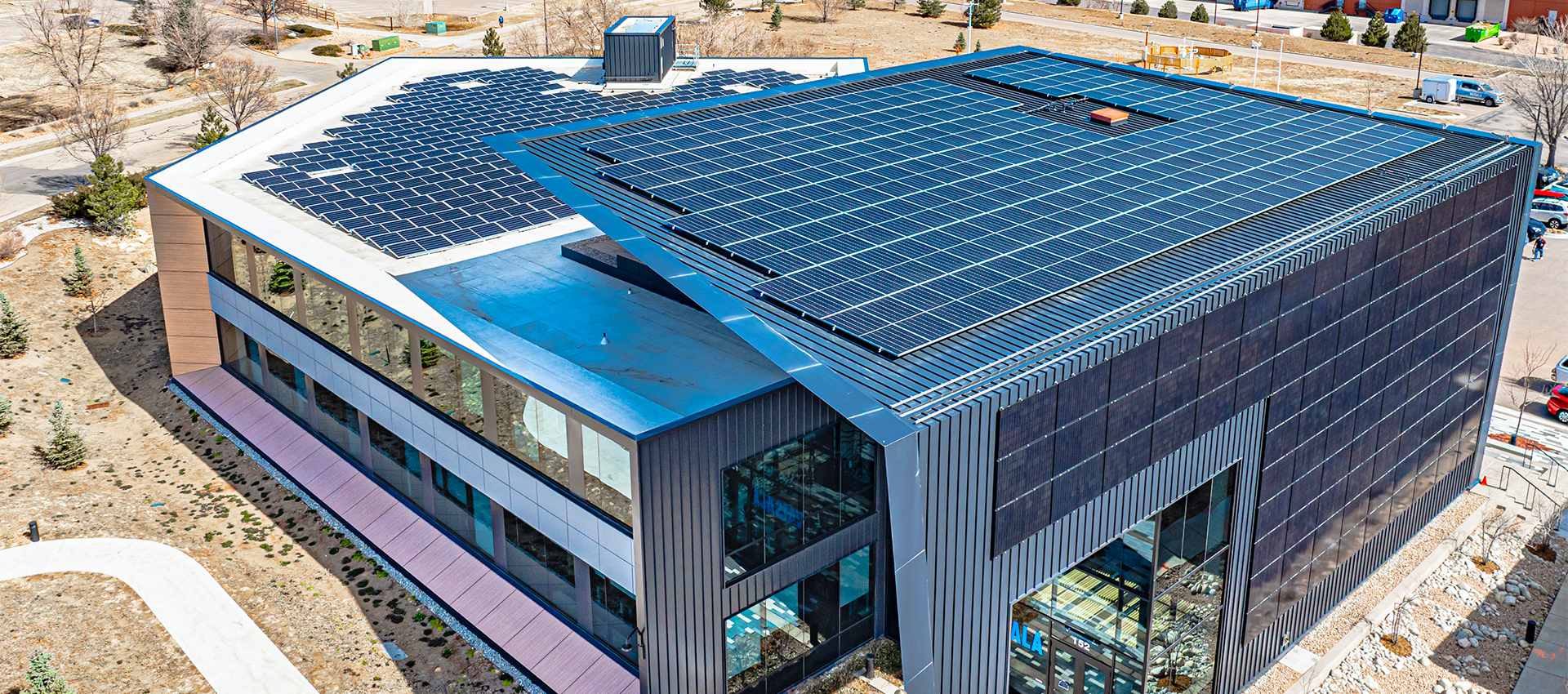
Many farms have large roof areas on sheds, barns, storage buildings or agricultural facilities. These roofs can offer space for solar panels without taking productive land out of use. The suitability of each roof depends on orientation, condition, structure, shading, access, wiring routes and safety requirements.
A site assessment should check whether the roof is suitable for solar PV, whether structural review is needed, and how the system can be installed with minimal disruption to normal farm operations.
Match Solar Output With Farm Demand
The strongest solar projects are based on real energy use. A farm with daytime electricity demand may be able to use a higher share of the electricity generated by solar PV. Farms with evening, seasonal or irregular demand may need a different design approach.
For example, refrigeration, pumps, ventilation and processing equipment may create regular electricity demand. Where electricity use continues outside daylight hours, battery storage may help improve energy control by storing surplus solar generation for later use.
Solar PPA Options for Farm Businesses
Some farms may not want to commit upfront capital to buying a system. A Solar PPA can be considered where eligible businesses want on-site solar electricity under an agreed contract rather than purchasing the full system on day one.
This can be useful for farms that want to protect cash flow while still exploring renewable energy. The right funding route depends on site suitability, expected electricity use, contract terms, business goals and long-term plans.
Where Farm Solar PV Can Be Used
- Dairy farms with regular electricity demand.
- Cold storage and refrigeration buildings.
- Farm workshops and machinery facilities.
- Processing or packing facilities.
- Livestock buildings with ventilation and lighting demand.
- Large sheds, barns and agricultural roof areas.
- Farms planning EV charging or electric machinery in future.
Battery Storage for Farms
Battery storage may help farms improve the use of solar electricity. If the solar system generates more electricity than the farm can use at certain times, a battery can store some of that energy and release it later when demand increases.
Battery storage can also help with peak demand management, depending on the site’s electricity usage and tariff structure. The battery size should be based on real farm energy data rather than guesswork.
Important Checks Before Installing Solar PV
Before installing solar PV on a farm, the site should be reviewed carefully. A good assessment helps avoid poor system sizing, unsuitable roof selection or unrealistic savings expectations.
- Roof size, orientation and shading.
- Roof condition and structural suitability.
- Current electricity usage and seasonal demand.
- Daytime load and how much solar power can be used on site.
- Battery storage suitability.
- Solar PPA or direct purchase options.
- Access, safety and installation logistics.
- Maintenance and long-term monitoring requirements.
Solar PV, EV Charging and Future Farm Energy Demand
Farm electricity demand may change over time as more equipment becomes electric and businesses look at EV charging, electric vehicles or other low-carbon upgrades. Planning solar PV with future demand in mind can help avoid redesign work later.
If a farm expects future EV charging or higher electricity use, the solar PV system, battery storage and site electrical capacity should be reviewed together.
Next Step: Request a Site-Specific Assessment
Solar PV for farms in Ireland should be planned around the specific site, roof space, energy usage and business goals. IRPC can review farm buildings, electricity demand, solar PV potential, battery storage options and possible Solar PPA routes.
A site-specific assessment gives the farm a clearer view of whether solar PV is suitable, how the system should be sized and which funding route may work best.
Request a site-specific solar PV assessment
Solar PV for Farms FAQs
Is solar PV suitable for farms in Ireland?
Solar PV can be suitable for farms with good roof space and meaningful electricity demand, especially where power is used during daylight hours. Suitability depends on roof condition, shading, structure and energy usage.
Can solar panels be installed on farm buildings?
Yes, many farm buildings such as sheds, barns and storage facilities may be suitable for solar panels. The roof should be checked for orientation, condition, structure and safe installation access.
Can battery storage help farm solar projects?
Battery storage can help store surplus solar electricity and release it later when the farm needs power. It may be useful for farms with evening demand, peak demand or changing energy usage patterns.
Can farms use a Solar PPA?
Some eligible farm businesses may be able to consider a Solar PPA instead of buying the system outright. This depends on site suitability, electricity usage, contract terms and project requirements.
What should farms check before installing solar PV?
Farms should check roof suitability, structural condition, electricity usage, daytime demand, battery storage needs, funding options, installation access and long-term maintenance requirements.