



Blog
EV Charging With Solar PV for Businesses

Solar EV Charging Guide
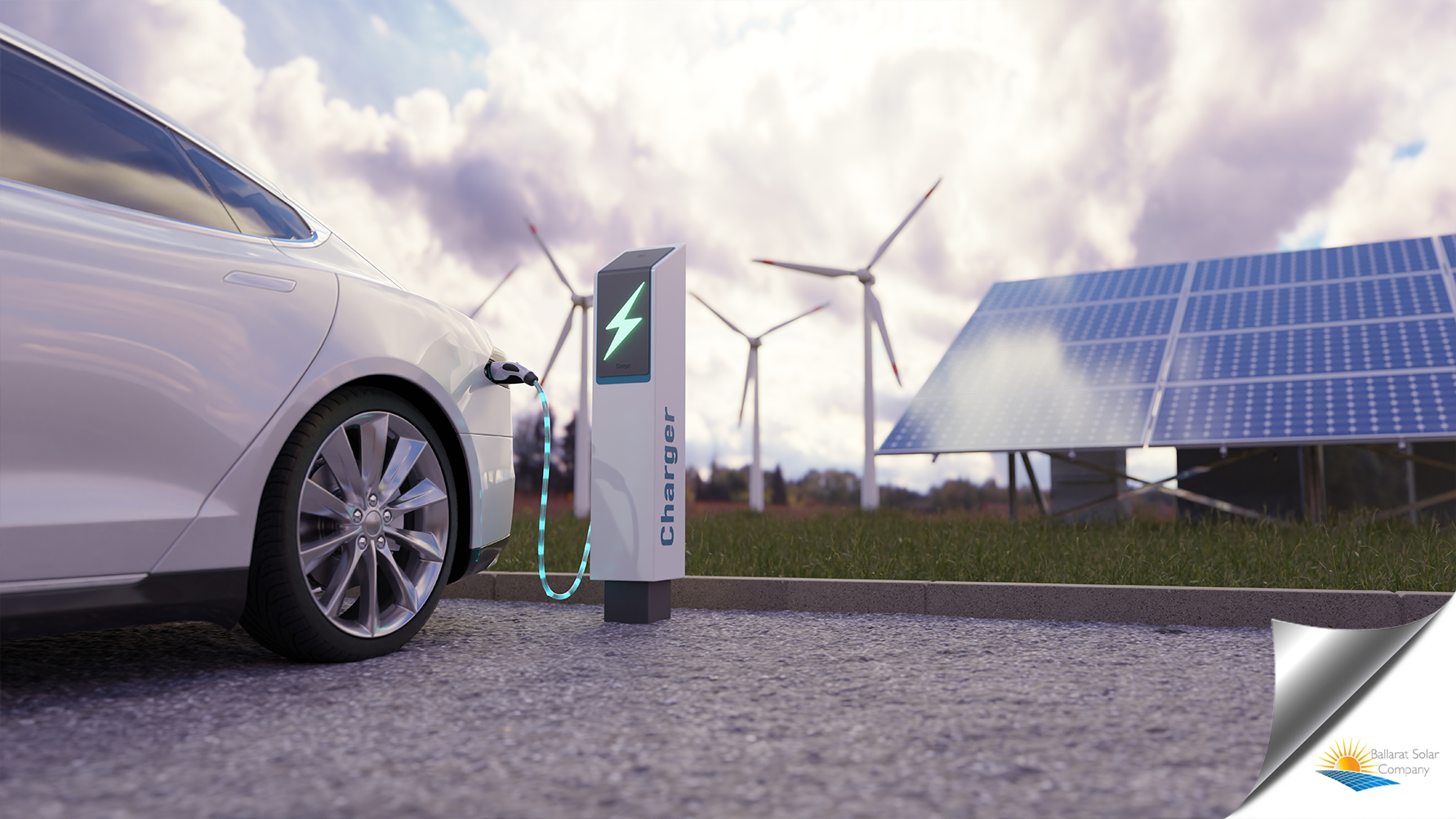
EV charging with solar PV can help businesses use clean electricity on site while preparing for growing demand from employees, customers and fleets. The best projects combine solar generation, charger location, energy usage data, battery storage and future expansion planning.
For Irish workplaces and commercial sites, EV chargers should not be planned as a standalone installation. A better approach is to look at the full energy picture: solar PV generation, parking layout, charger demand, battery storage, grid capacity and long-term business growth.
Why Combine Solar PV and EV Charging?
Commercial solar PV produces electricity during daylight hours, which often matches workplace and customer charging activity. When the timing is right, more of the power generated on site can be used directly by the business instead of being exported.
Combining solar PV and EV charging can also make a business site more future-ready. As more employees, customers and fleets move to electric vehicles, companies will need charging infrastructure that is practical, reliable and planned around real energy demand.
Solar PV generates clean electricity during the day. EV chargers create new electricity demand. When both are planned together, businesses can make better use of on-site solar power and reduce pressure on future site energy planning.
Where Solar EV Charging Works Best
Solar EV charging is especially useful for offices, schools, retail parks, logistics sites, hotels, factories, business parks and commercial car parks with vehicles parked during the day.
It can also support businesses planning staff charging, visitor charging, customer charging or fleet charging. The strongest projects usually have a clear understanding of when vehicles are parked, how long they stay and how much charging demand is expected.
- Workplaces with staff vehicles parked during office hours.
- Retail or hospitality sites with customer and visitor parking.
- Business parks with shared commercial parking areas.
- Fleet operators planning electric vans or company cars.
- Sites with existing or planned commercial solar PV.
- Car parks suitable for solar car shades or solar carports.
Use Solar Car Shades for Parking Areas
If roof space is limited, solar car shades can turn parking areas into solar generation assets. This can add renewable generation close to the EV charging location while improving the parking experience for staff and visitors.
Solar car shades are especially useful where a business has a large car park, limited roof space or a clear plan to add EV chargers. They can help combine parking, solar generation and charging infrastructure in one visible clean energy project.
Battery Storage Can Improve Energy Control
Battery storage can store surplus solar generation and release it later when chargers, lighting, HVAC or business operations need more power. It may also help reduce peak-demand pressure when several chargers are used at the same time.
Battery storage should be designed around real site data. The right battery size depends on solar generation, charging behaviour, electricity tariff, peak demand and whether the business wants backup capability for selected loads.
| Energy Component | Role in Solar EV Charging | Why It Matters |
|---|---|---|
| Commercial Solar PV | Generates electricity on site during daylight hours. | Can help supply part of the EV charging demand when generation and charging times overlap. |
| EV Chargers | Provide charging for staff, customers, visitors or fleet vehicles. | Creates new electricity demand that should be planned around site capacity and future growth. |
| Battery Storage | Stores surplus solar power and helps manage peak demand. | Can improve energy control and reduce pressure when charger usage is high. |
| Solar Car Shades | Generate solar power from parking areas. | Useful where roof space is limited or EV chargers are located in car parks. |
Plan the Electrical Load Carefully
EV charging can add a significant load to a commercial site. Before installation, businesses should review electrical capacity, charger power, charging schedules, load management, grid connection limits and future expansion needs.
Load management is especially important when multiple chargers are installed. Without proper planning, charging demand can increase peak load or create unnecessary pressure on site infrastructure.
Important planning questions include:
- How many EV chargers are needed now?
- How many chargers may be needed in the next few years?
- Will chargers serve employees, customers, visitors or fleet vehicles?
- What charging speed is suitable for each user group?
- Can solar PV generation support daytime charging?
- Is battery storage needed for peak demand or energy control?
- Is the car park suitable for solar car shades?
Reporting and Maintenance
Charging data, solar generation reports and battery performance data can help businesses understand real savings and site energy behaviour. This information is useful for energy reporting, ESG goals, cost control and future expansion planning.
Maintenance should cover chargers, software, solar PV, battery systems and communication equipment. A reliable system needs clear responsibility for monitoring, fault response and ongoing support.
Common Mistakes to Avoid
Solar EV charging projects can become less effective if they are planned as separate pieces. Solar PV, chargers, battery storage and car park infrastructure should be reviewed together where possible.
- Installing EV chargers without reviewing solar PV potential.
- Ignoring electrical capacity and future charger demand.
- Choosing charger locations without considering parking behaviour.
- Adding battery storage without real energy usage data.
- Not planning for future fleet or customer charging needs.
- Missing the opportunity to use solar car shades in large car parks.
- Failing to set up monitoring and maintenance from the beginning.
Next Step: Build an Integrated Energy Plan
IRPC can help businesses assess whether EV chargers, solar PV, battery storage or solar car shades should be installed together or in phases. A site-specific plan can help avoid expensive changes later and give the business a clearer investment case.
The right solution depends on site layout, electricity usage, parking behaviour, budget, future growth and whether the business is planning staff, customer or fleet charging.
Discuss Solar EV Charging
IRPC can review your business site, parking layout, EV charging demand, solar PV potential and battery storage options to build a practical clean energy plan.
Discuss Solar EV ChargingEV Charging With Solar PV FAQs
Can EV chargers run directly from solar panels?
EV chargers can use electricity generated by solar PV when solar production and charging demand happen at the same time. The exact result depends on system design, charger demand, solar generation and site electrical setup.
Is solar EV charging suitable for businesses?
Yes. Solar EV charging can be suitable for workplaces, fleets, retail sites, hotels, schools, business parks and commercial car parks where vehicles are parked during daylight hours.
Do businesses need battery storage for solar EV charging?
Not always. Battery storage is useful when the business wants to store surplus solar electricity, manage peak demand or support charging outside peak solar generation hours. Suitability depends on site usage and tariff structure.
Can solar car shades support EV charging?
Yes. Solar car shades can generate electricity from parking areas and can be planned close to EV charging points. This is useful for business car parks with limited roof space.
What should a business check before installing solar EV chargers?
A business should check parking layout, charger demand, electrical capacity, solar PV potential, battery storage suitability, user access, payment needs and future expansion plans.
Can IRPC plan EV chargers, solar PV and battery storage together?
Yes. IRPC can assess the full site energy picture and recommend whether EV chargers, solar PV, battery storage and solar car shades should be installed together or in stages.